Sporting Clays & Trap Course Design 101: How to Plan a Layout That Lasts
Sporting Clays & Trap Course Design 101

If you're a gun club, landowner, or event host thinking about building a trap or sporting clays course, the single biggest mistake we see is treating it like a landscaping project instead of an engineering one. A course that's laid out well will run safely and hold up for years. A course that isn't will cost you in re-grading, machine downtime, and safety headaches down the road.
Quick answer: Trap and sporting clays course design is the process of planning target layouts, machine placement, shooter flow, and terrain management so a shooting range is safe, efficient, and built to handle its expected volume of use — from a private 5-stand to a full public sporting clays course.
Here's what actually goes into doing it right.
What Is Trap & Sporting Clays Course Design?
Course design covers everything that happens before the first target ever flies: surveying the land, mapping out safe shooting angles, positioning trap machines, planning shooter stations and walking paths, and accounting for how the land itself — trees, brush, elevation changes — will affect both safety and target visibility.
At Shotgun Gear, we've designed everything from small private 5-stands to full competition-grade sporting clays courses across the country, so we've seen which layout decisions hold up over a decade of use and which ones create problems within a season.
Key Factors That Go Into a Great Layout
1. Land and terrain assessment Every property shoots differently. Elevation changes, tree lines, and open sightlines all affect where a station can safely go and how a target will present. This is also where forestry mulching often comes in — clearing brush and overgrowth strategically opens up shooting lanes without over-clearing land you'll want for future stations.
2. Safety zones and shot-fall angles This is non-negotiable. Every station and machine placement has to account for maximum shot-fall distance, angle of fire, and buffer zones — not just for today's layout, but for how the course might expand later.
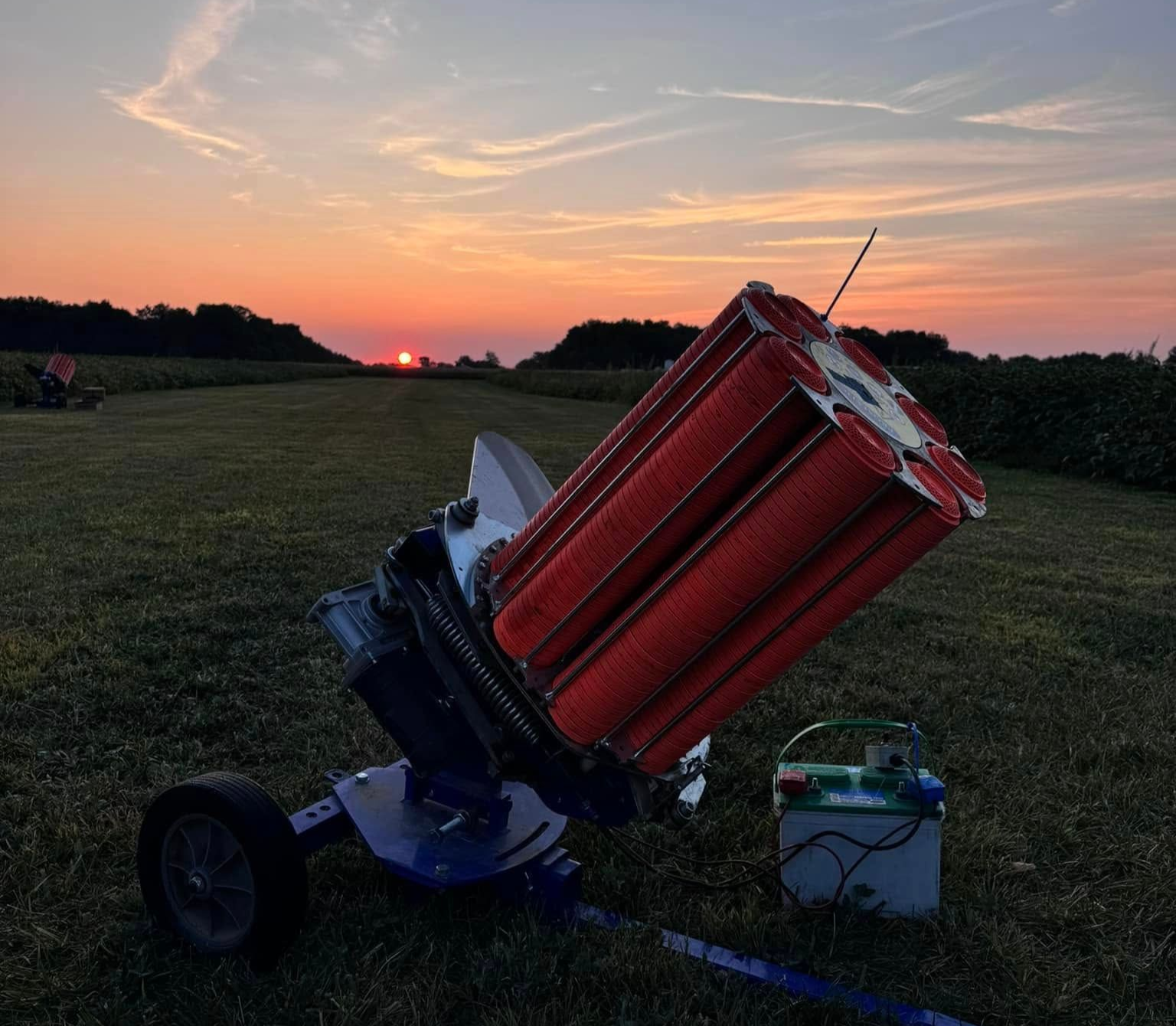
3. Machine placement and traps Where a Promatic machine sits determines target flow, visibility, and how much service access you'll have down the road. Machines placed for looks instead of function tend to need more frequent repositioning and maintenance.
4. Shooter flow and course logistics A course that forces shooters to backtrack, wait, or cross unsafe zones will frustrate members and slow down tournament pace. Good design plans the walking path and station order right alongside the shooting layout itself.
5. Scalability Clubs grow. A layout that only works at its current size will need an expensive redo later. Designing with room to add stations or a second course down the line saves money in the long run.
Common Course Design Mistakes to Avoid
- Skipping a professional land assessment and eyeballing station placement instead
- Underestimating shot-fall and safety buffer requirements
- Placing machines for convenience today instead of long-term service access
- Ignoring drainage and erosion around high-traffic stations
- Designing without future growth in mind
We see these mistakes most often on courses that were laid out without an experienced designer — and they're almost always more expensive to fix after the fact than to plan around up front.
Why Work With a Professional Course Designer
Shotgun Gear is a Promatic Diamond Dealer, a designation Promatic International Ltd. reserves for dealers with the equipment inventory, service capability, and track record to back it up. Our course design and forestry mulching work is backed by decades of hands-on experience with Promatic equipment and by owners Cyrus and Ashleigh Alexander — Ashleigh a 3-time National Champion and 3-time World Champion shooter who has competed on courses of every size and configuration across the country.
That combination — competitive shooter's eye plus dealer-level equipment expertise — is what separates a course that just looks good from one that shoots well for years.
Frequently Asked Questions
How much land do I need for a sporting clays course? It varies widely by layout, but a full sporting clays course typically needs anywhere from 20 to 100+ acres depending on the number of stations and terrain. Smaller 5-stand setups can work on just a few acres.
Do I need forestry mulching before course design can start? Not always, but overgrown land often needs some clearing to establish sightlines and safe shot-fall zones before final station placement is confirmed.
How long does it take to design and build a trap or sporting clays course? Timelines depend on land condition and course size, but planning through completion typically runs several weeks to a few months for larger layouts.
Can an existing course be redesigned or expanded? Yes. Many of our projects involve reworking an existing layout to fix safety or flow issues, or expanding a course to add stations as membership grows.
Who handles course design at Shotgun Gear? Our team, led by Diamond Dealer-certified specialists, handles land assessment, safety planning, machine placement, and forestry mulching for clubs and private landowners nationwide.
Ready to plan your course the right way? Contact Shotgun Gear for a course design consultation, or learn more about our Course Design & Forestry Mulching services.
You might also like